



It was obvious that Lexogrine wanted to create the best possible solution customized for us.Read on Clutch
AI & AR Smart Glasses Application Development
Smart glasses are moving from concept to product. This new computing platform merges many exciting technologies: from AI to augmented reality. Companies are starting to explore how software can make these devices useful. HUDs are becoming an integral part of the AI smart glasses experience, connecting the digital experience with real life.
Our expertise in HUD and Smart Glasses Software
Creating applications for smart glasses goes beyond traditional mobile or desktop development. It requires a deep understanding of spatial UX, performance optimization, and contextual user interaction.
As we've spent years perfecting HUD software, from esports overlays to live analytics dashboards, this expertise now powers our work in smart glasses interface design, where clarity, timing, and responsiveness define user experience.
Hundreds
Companies worldwide use our HUD systems daily for professional broadcasts
60fps
Maintained frame rate even with complex real-time data updates
Cloud-native
Scalable infrastructure handling peak loads during major esports events
Our Smart Glasses App Development services include
Custom smart glasses app development
Tailored applications built specifically for smart glasses platforms, optimized for wearable user experiences.
HUD interface design and data visualization
Clean, efficient heads-up displays that present critical information without overwhelming the user.
Integration with AR frameworks and SDKs
Seamless connection with leading AR platforms and smart glasses development kits.
Gesture and voice-based UI exploration
Innovative interaction methods that make smart glasses intuitive and hands-free.
Real-time synchronization and cloud communication layers
Low-latency data streams and cloud infrastructure for live updates and connectivity.
Prototyping and UX testing for wearable devices
Rapid iteration and validation to ensure optimal user experience in real-world scenarios.
Future of Smart Glasses
Smart glasses are early in adoption, but major brands are developing hardware and SDKs. Companies that start building now will gain experience before the market expands. Meta Ray-Ban Display glasses already offer a set of advanced applications like calls, live translations and captions, live directions, and maps.
At Lexogrine, we follow these changes closely, iterating on ideas, use cases, and business opportunities. We test new platforms and design systems that can adapt as standards evolve.
If you plan to create a smart glasses app, we help you design, test, and deliver it with a focus on performance and clarity.
Industry-leading
Created the whole industry of HUDs and overlays from the ground up
Instant feedback
Precision and consistency in every detail of the user experience
Scout AI
In-house custom neural network for automated esport production
Why HUD experience matters
HUDs require instant feedback and clear visuals. Every detail affects the user experience. Building LHM.gg taught us how to design for precision and consistency.
Smart glasses apps follow the same rules. They need to process information quickly and present it in a space-limited environment. Our HUD background gives us an advantage in this field.
With LHM.gg, we've created the whole industry of HUDs and overlays from the ground up. Our advanced cloud platform servers HUDs and overlays on demand on every device, and dedicated desktop applications capture crucial in-game information, which is then parsed directly into HUDs. All dynamically, without human work. All fully automated and enriched by our in-house made custom neural network and AI model - Scout AI - for automated esport production like live match observing, score prediction, and camera cinematics.
Why choose Lexogrine as your Smart Glasses Software Development Company
Experience with real-time HUD software
Years of building mission-critical HUD systems for live esports production.
Proven track record in interface design
Expertise in creating clear, performant interfaces for constrained displays.
Fast, focused development process
Agile methodology that delivers results quickly without compromising quality.
Clear communication and delivery
Transparent updates and collaborative approach throughout the project.
Understanding of AR and wearable environments
Deep knowledge of spatial computing and wearable device constraints.
Usage of scalable and efficient technologies
Built with TypeScript, React, and Node.js for maintainable, performant code.
Featured Case Study

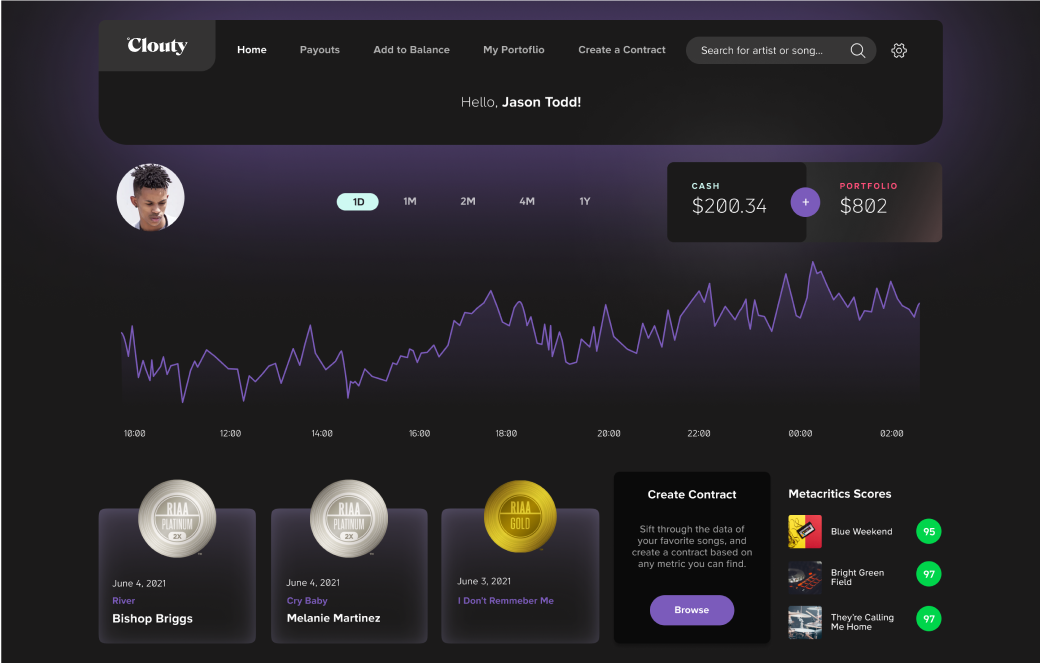
Clouty - Innovative music betting web platform
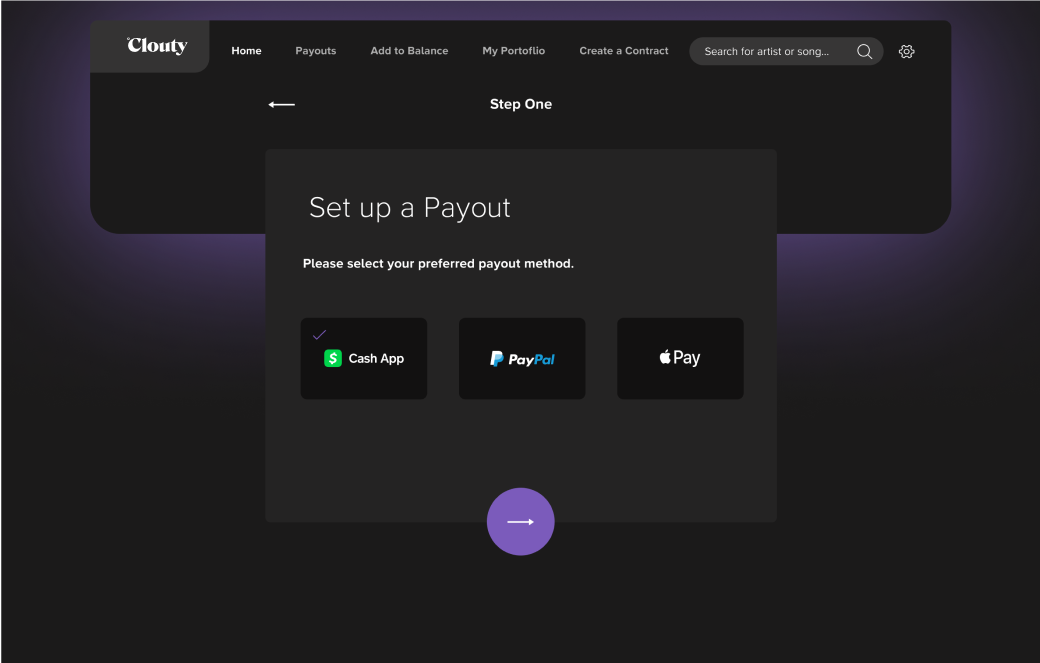
Clouty is a platform that hosts live bets about the latest releases and predictions in the music industry and offers a dedicated market index to track this sector. Lexogrine has been part of the whole process of building the web application - helped Clouty pick the right features to build at first, design UI and UX, implement the entire platform using React and cloud platforms, and release the first application on the production environment.
Although they had never heard of a project like ours, they took it upon themselves to learn more about the company.
Proven track record
Lexogrine specializes in multiple types of services - from custom software development to team augmentation and body leasing. With a proven track record of multiple successfully delivered products and services, our experienced team of experts will help you choose the right solution for your business.
What our clients say
Lexogrine was even able to add features and improve the platform’s speed in a mere week!
Read on ClutchThey’ve stepped out of their way to deliver things out of their interest for the project.
Read on ClutchTheir turnaround times were fantastic.
Read on ClutchOne of the best agency experiences we have had bar none.
Read on ClutchLexogrine is an incredibly hardworking and dedicated group of individuals that I rarely see at development companies.
Read on ClutchTheir project management skills and problem-solving approach were impressive.
Read on ClutchThey knew exactly what we wanted and filled our needs perfectly.
Read on ClutchLexogrine is good. The team knows what they’re doing and they have a strong aesthetic.
Read on ClutchThey listen well and provide feedback to really fulfill the client's overall vision.
Read on Clutch







Selected review excerpts from software, design and development projects.
Start your Smart Glasses project with Lexogrine
Smart glasses will change how people see and use digital information. Let's build the software layer for that future.
Frequently Asked Questions
How do smart glasses work?
Smart glasses combine small displays, sensors, and connectivity in a frame that looks like regular eyewear. The display projects digital images or data into your line of sight, often using a transparent lens or optical waveguide. Sensors track movement, position, and sometimes gaze direction to keep the visuals aligned with what you see. The glasses connect to a phone, a computer, or the cloud for data and processing. You see digital content layered on top of the real world without looking away from what you are doing.
Smart glasses are also a perfect computing platform for the latest AI LLM models, allowing them to view the surrounding world similarly to the person wearing them. With the powerful features like image recognition, speech, and live translations, they are a perfect match for wearable devices.
How to use smart glasses?
You wear smart glasses like normal glasses. The device turns on through a button or touch area on the frame. Some models use voice commands or gestures to control apps. You can view notifications, maps, live stats, or instructions right in your field of vision. For professional use, smart glasses display work data, checklists, or live video feeds.
How to make a smart glasses app?
Creating a smart glasses app starts with defining what the user needs to see and when. The first step is designing a simple, clear, yet powerful and advanced HUD interface that shows key information without distraction.
Developers then use the smart glasses SDK provided by the hardware maker to access sensors, camera, and display functions. Testing is crucial, since you must tune performance and readability for a small display. At Lexogrine, we use our experience from building HUD systems like Lexogrine HUD Manager to design smart glasses apps that stay fast, responsive, and stable under real conditions.
What are smart glasses used for?
Smart glasses are used in many areas. In the industry, they display instructions or checklists for field technicians. In logistics, they help workers pick and track items hands-free. In medicine, they can show live patient data during procedures. For consumers, they support navigation, fitness tracking, and notifications. In gaming and media, they bring data or visuals directly into view.