Skip to content

AI Automation for Faster, More Scalable Operations

Reduce manual effort, remove operational bottlenecks, and improve how information moves across your business.

Lexogrine helps established companies identify valuable automation opportunities, redesign the processes behind them, and implement the technology required to make them work in production.

  1. Business eventInput
  2. Connected systemsInformation flows
  3. Automated processingSoftware + AI
  4. Human decision or approvalControl checkpoint
  5. Completed business outcomeOutcome

Where operational friction becomes an automation opportunity

The strongest automation opportunities usually start with a process that already works, but requires too much repetitive effort, coordination, or waiting to keep it moving.

  • Repetitive processing

    People repeatedly copy information, classify requests, process documents, update records, or assemble the same type of output.

  • Slow information flow

    Teams spend time searching across documents, systems, inboxes, and databases before they can take the next step.

  • Manual handoffs

    Employees move information between tools, notify another team, update a CRM, or coordinate routine actions that could happen automatically.

  • Human bottlenecks

    Routine approvals, triage, research, and predictable decisions create queues that slow the process without always requiring the level of human attention they receive today.

See how a process changes when automation is designed around the business

Good automation does more than replace individual manual steps. It looks at how the entire process works, where software can take over repetitive execution, and where people should remain involved.

Customer request handling

  1. Current process

    A request arrives, someone reads it, searches for context, decides where it should go, updates another system, and follows up manually.

  2. Automation opportunity

    Remove repetitive triage, information gathering, routing, and record updates.

  3. AI / system action

    Relevant information is retrieved, the request is classified, predefined actions are executed, and systems are updated automatically.

  4. Human control

    Unusual, sensitive, or uncertain cases are routed to the right person.

  5. Business outcome

    Faster handling, fewer manual transfers, and more consistent execution.

Explore AI Workflow Automation

From operational problem to production automation

The process starts by understanding how the business works today. Technology decisions come after the opportunity, constraints, and expected outcome are clear.

  1. 1. Map

    Understand the process, people, systems, data, handoffs, bottlenecks, and exceptions involved.

  2. 2. Prioritize

    Identify where automation can create meaningful operational value and whether the opportunity justifies implementation.

  3. 3. Design

    Decide which steps should remain deterministic, where AI adds useful flexibility, which systems need to connect, and where human review belongs.

  4. 4. Build & Integrate

    Implement the workflows, integrations, APIs, AI components, and custom software required to make the process work end to end.

  5. 5. Control & Launch

    Define permissions, approvals, exception paths, monitoring, and fallback behavior before the system becomes part of normal operations.

  6. 6. Measure & Improve

    Compare the new process with the baseline, observe how it performs in practice, and improve the system where additional value is available.

Different problems need different automation architectures

A workflow, an AI agent, and a custom AI application solve different problems. Lexogrine starts with what the business needs the system to do, then chooses the appropriate architecture.

You have a recurring workflow that creates operational friction

When the main problem is repeated processing, manual handoffs, disconnected systems, or routine coordination, redesign the workflow and automate the appropriate steps.

Explore AI Workflow Automation

The system needs to understand context and decide how to act

When software needs to interpret changing information, use tools, and choose between permitted actions within controlled boundaries, a custom AI agent may be the right architecture.

Explore Custom AI Agent Development

You need a broader custom AI product or software capability

When the requirement is an AI-enabled application, product feature, internal system, or specialized AI capability, the engagement belongs within broader AI Development.

Explore AI Development

Automate repetitive work. Keep human ownership where it matters

The goal is not maximum autonomy. The goal is a process that uses the right combination of software, AI, and human judgment.

  1. Software handles predictable execution

    Rules, validations, calculations, routing, notifications, and known system actions are often better handled by deterministic software than by AI.

  2. AI handles interpretation where it adds value

    AI can help when the process involves language, documents, classification, information extraction, summarization, or context that cannot be represented cleanly through fixed rules alone.

  3. People retain important decisions

    Sensitive actions, exceptions, uncertain cases, and decisions that require real judgment can pause for review or remain under direct human ownership.

When automation needs more than configuration

Many useful automations can be built with existing platforms and standard integrations. Others eventually reach a system, data source, business rule, or interface that standard tooling cannot support well.

Lexogrine can engineer the missing technology instead of forcing the process to fit the limits of one platform.

Use existing platforms where they fit

If a reliable off-the-shelf automation platform can solve the problem cleanly, there is no reason to replace it with custom software.

Extend them where the process requires more

Custom APIs, integrations, authentication, data processing, business logic, or internal interfaces can extend an existing automation architecture without rebuilding everything.

Build custom systems when standard tooling is no longer enough

When the automation becomes business-critical or depends on specialized systems, Lexogrine can build the backend services, internal applications, data systems, cloud infrastructure, and software required around it.

Explore Lexogrine Engineering

Built on production AI and software engineering experience

Automation becomes valuable when it can operate reliably inside real products, systems, and infrastructure. Lexogrine brings experience across AI-enabled software, custom applications, integrations, data, cloud, and production engineering to the implementation.

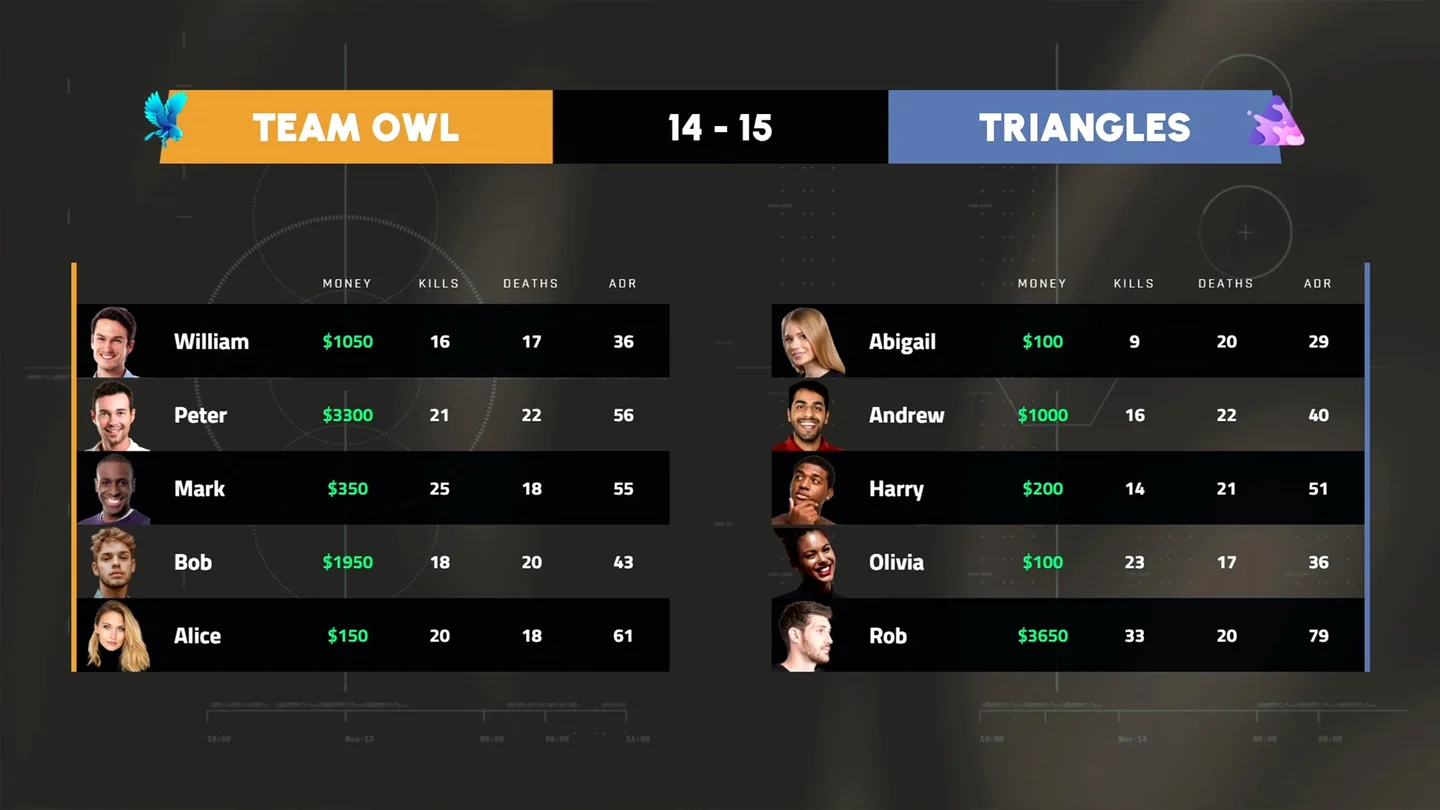
LHM live Counter-Strike 2 broadcast graphicsLHM.gg

Turning game data into live broadcast production.

Live productions need game data, graphics and assets to work together. Lexogrine builds and operates the platform connecting HUD management, cloud assets and automated broadcast tools.

  • Real-time systems
  • Web
  • Cloud
Explore the LHM case study
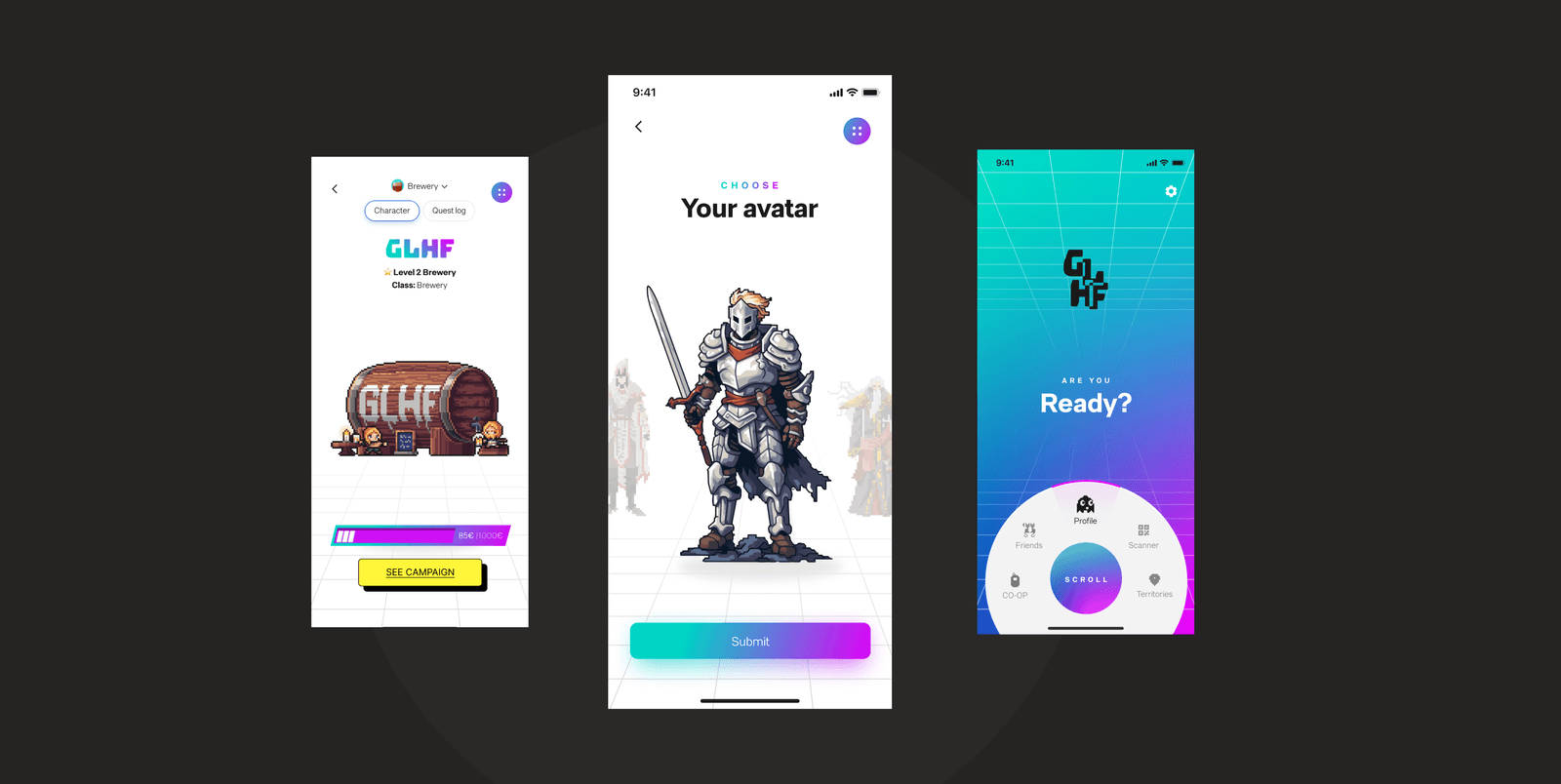
GLHF mobile and ecommerce product presentation from the Lexogrine case studyGLHF

Connecting a beverage brand with a gaming community.

GLHF needed commerce and engagement in one experience. Lexogrine delivered mobile apps, ecommerce, AI-powered quests and the supporting cloud systems.

  • React Native
  • Medusa
  • AI
View GLHF case study
Explore selected case studies

When AI Automation is worth exploring

Automation creates the strongest opportunity when operational work repeats often enough, follows understandable patterns, and has enough business value to justify changing how the process runs.

  • Repeatable processes

    The same type of work happens repeatedly across customers, requests, documents, transactions, reporting, or internal operations.

  • Meaningful manual workload

    Employees spend real time moving information, researching, classifying, updating systems, coordinating handoffs, or handling routine actions.

  • Multiple connected systems

    Important processes cross CRM, support platforms, databases, internal applications, documents, or proprietary software.

  • Existing data and information

    The information required to automate the process already exists and can be accessed with sufficient quality and control.

  • A need to scale

    Growing volume would otherwise require more repetitive effort, more coordination, or increasing operational complexity.

  • Clear points for human judgment

    The organization can distinguish routine execution from decisions that should remain under human ownership.

Measure what changes in the process

The value of automation should be visible in how the process performs before and after implementation.

Where practical, Lexogrine defines a baseline before development and identifies the operational metrics that matter for the specific workflow.

  1. Baseline
  2. Implementation
  3. Measurement
  4. Improvement

Time and speed

Measure human processing time, response time, cycle time, or waiting between steps.

Throughput and capacity

Track how much work the process can handle and how much routine execution still depends on people.

Manual effort

Measure manual touches, repetitive updates, reviews, and interventions required to complete the process.

Exceptions and reliability

Track failed runs, escalation, rework, exceptions, and the parts of the process that continue to require attention.

Operating cost

Where it can be measured meaningfully, compare implementation and operating cost with the work the new process replaces or accelerates.

What our clients say

Clutch5.0/525 reviews
  • It was obvious that Lexogrine wanted to create the best possible solution customized for us.
    Daniel KauppinenBrand ManagerFragbite AB
    Web Development for E-Sports Media Company
    Read on Clutch
  • Lexogrine was even able to add features and improve the platform’s speed in a mere week!
    Utkarsh UpadhyayCo-Founder & CTOReasonal
    Software Dev & QA for Software Company
    Read on Clutch
  • They’ve stepped out of their way to deliver things out of their interest for the project.
    Petter SjöstrandCreative DirectorGLHF Brewery Company AB
    Web & Mobile App Dev for Lifestyle Beer Brand
    Read on Clutch
  • Their turnaround times were fantastic.
    Viktor ErlandssonPartnerships ManagerChallengermode
    HUD Design & Dev for Esports Tech Company
    Read on Clutch
  • One of the best agency experiences we have had bar none.
    AnonymousFounderLilypad Media LLC
    UI/UX Design for Virtual Event Company
    Read on Clutch
  • Lexogrine is an incredibly hardworking and dedicated group of individuals that I rarely see at development companies.
    AnonymousCo-FounderInfluencer Support Company
    Mobile App Dev & Website for Influencer Support Company
    Read on Clutch
  • Their project management skills and problem-solving approach were impressive.
    AnonymousFounderThe Broduction Co
    UI/UX Design for Broadcast & Video Production Company
    Read on Clutch
  • They knew exactly what we wanted and filled our needs perfectly.
    Benjamin LääräExecutive ProducerPelaajat.com
    UI/UX Design for Esports Media Company
    Read on Clutch
  • Lexogrine is good. The team knows what they’re doing and they have a strong aesthetic.
    AnonymousFounderFintech Startup
    UI/UX Design for Consumer Fintech Company
    Read on Clutch
  • They listen well and provide feedback to really fulfill the client's overall vision.
    AnonymousCo-Founder & CEOMotorvate
    Mobile CRM App for Automotive Management Provider
    Read on Clutch

Selected review excerpts from software, design and development projects.

Start with the process, not the technology

Bring us a repetitive process, operational bottleneck, slow handoff, information problem, or workflow that does not scale well today.

We will help determine whether the right solution is conventional automation, AI, an agent, an existing platform, custom integration, custom software, or a combination.

You do not need to choose the architecture before the conversation.

AI Automation FAQ

What does AI Automation mean for a business?

AI Automation uses software, integrations, AI, and other technical components to reduce unnecessary manual execution inside real business processes. The objective is not to add AI everywhere. It is to improve how the process works.

How is AI Automation different from traditional workflow automation?

Traditional automation works well when inputs, rules, and next actions are predictable. AI can extend automation into steps that require interpreting language, documents, context, or less structured information. Many production systems use both.

Explore AI Workflow Automation
Does every AI Automation project need an AI agent?

No. An agent is useful when software needs to interpret context and choose between permitted actions dynamically. If a predictable workflow can solve the problem more simply and reliably, an agent may be unnecessary.

Explore Custom AI Agent Development
Can Lexogrine automate processes across the systems we already use?

That is often the objective. The first step is to understand which systems, APIs, data, permissions, and interfaces are involved. Existing integrations can be used where they fit, and custom integration can be engineered where the process requires it.

Do we need custom software?

Not necessarily. Existing automation platforms and standard integrations may be sufficient for some processes. Custom software becomes useful when the workflow requires specialized business logic, proprietary systems, custom interfaces, or capabilities that existing platforms do not provide well.

Where do humans remain involved?

People can remain responsible for approvals, exceptions, sensitive actions, and decisions that require judgment. Good automation removes unnecessary repetitive work without removing human ownership where it is valuable.

How do you measure whether AI Automation is successful?

Success should be defined against the process itself. Depending on the workflow, relevant measures may include processing time, response time, throughput, manual touches, exception rate, operating cost, or the amount of routine work shifted away from employees.