


They’ve stepped out of their way to deliver things out of their interest for the project.
GLHF
Gamifying the beverage experience with AI
Industry
Food & Entertainment
Market
D2C
Country
Sweden
Type:
eCommerce, Mobile Application, Web Platform
Client:
GLHF
Services:
Strategy, UI/UX Design, AI, eCommerce, Mobile, & Web Development, Cloud & DevOps
With the gaming industry rapidly influencing every aspect of modern culture, a gap emerged for an authentic lifestyle product tailored to this community.
Enter GLHF: a premium craft beer designed by gamers, for gamers.
This project goes beyond a simple beverage, fusing high-quality ingredients with interactive technology to create a new dimension of entertainment.
Lexogrine serves as the strategic technology partner, architecting the entire digital ecosystem, including custom AI, ecommerce, web, and mobile solutions, to bring this vision to life.
The central challenge was to architect a comprehensive digital ecosystem that authentically resonates with the diverse gaming community.
Gaming-first experience
With the gaming community as our primary demographic, it was crucial to design an interface that feels intuitive and resonates with players across all genres.
Custom AI models & AR features
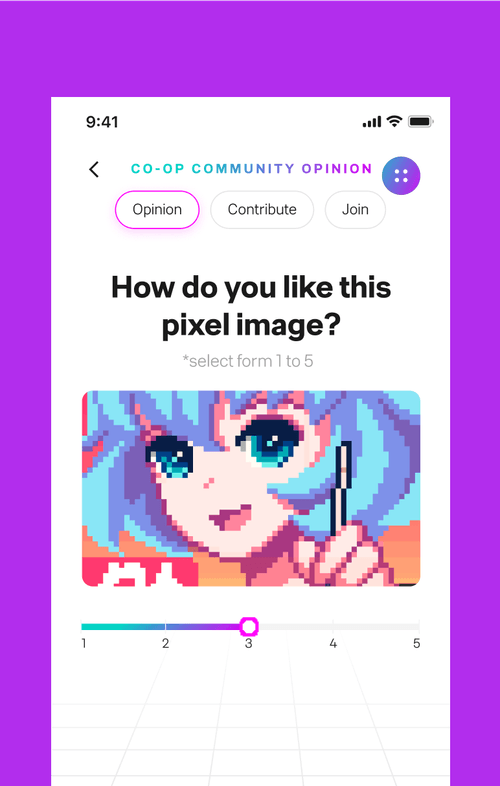
One of the core features is image recognition, which is used for dedicated quests as part of the gamification. It was necessary to find the right and easily customizable solution for augmented reality available directly in the mobile application.
eCommerce platform
Building an ecommerce platform that will be both lightweight and offer all necessary features for the users.
Gamification
Creating a layer of engagement that will bring user retention to the app.
We developed a sophisticated, multi-platform solution designed to cater to gamers across all genres and available on every major operating system.
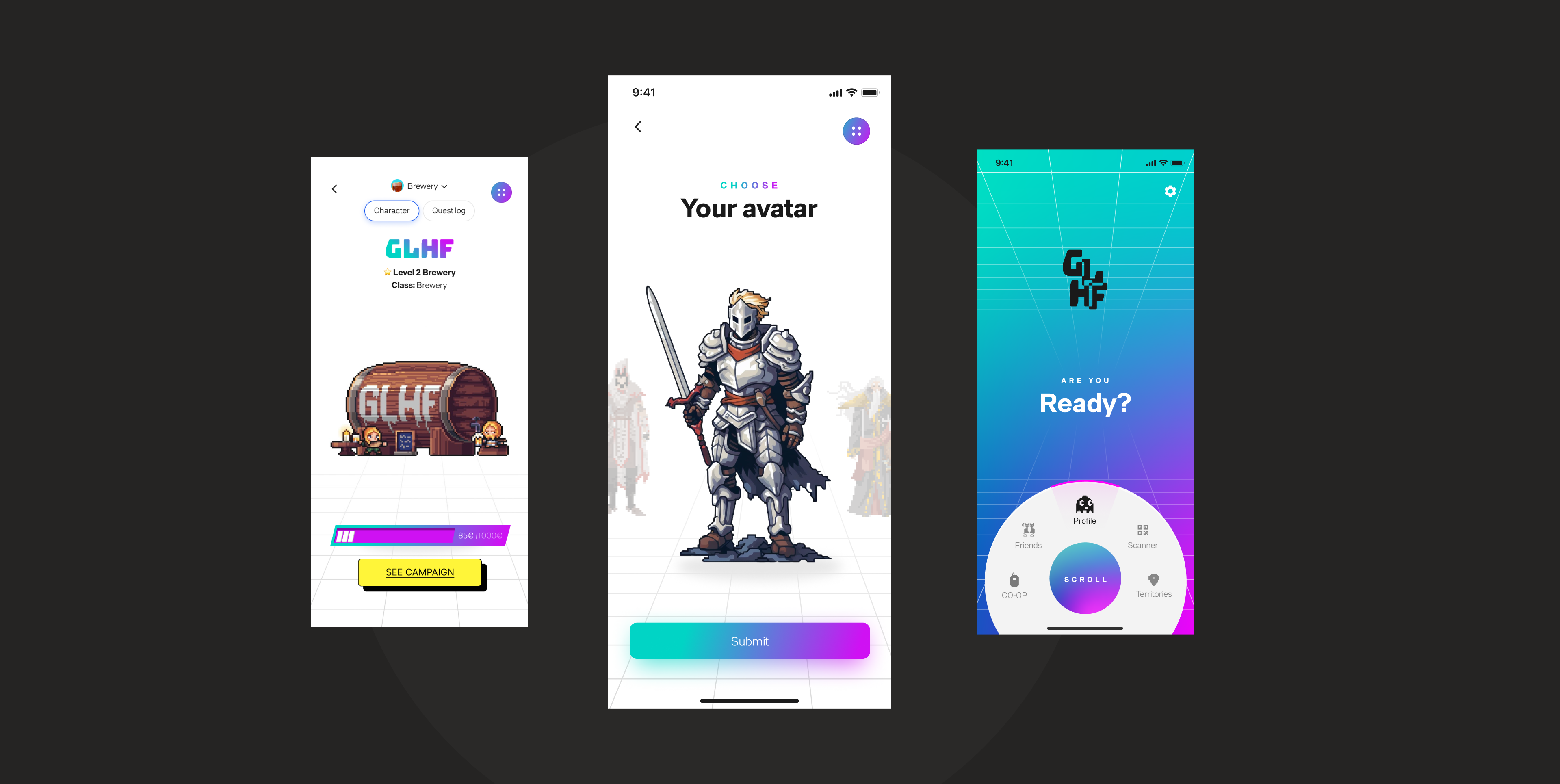
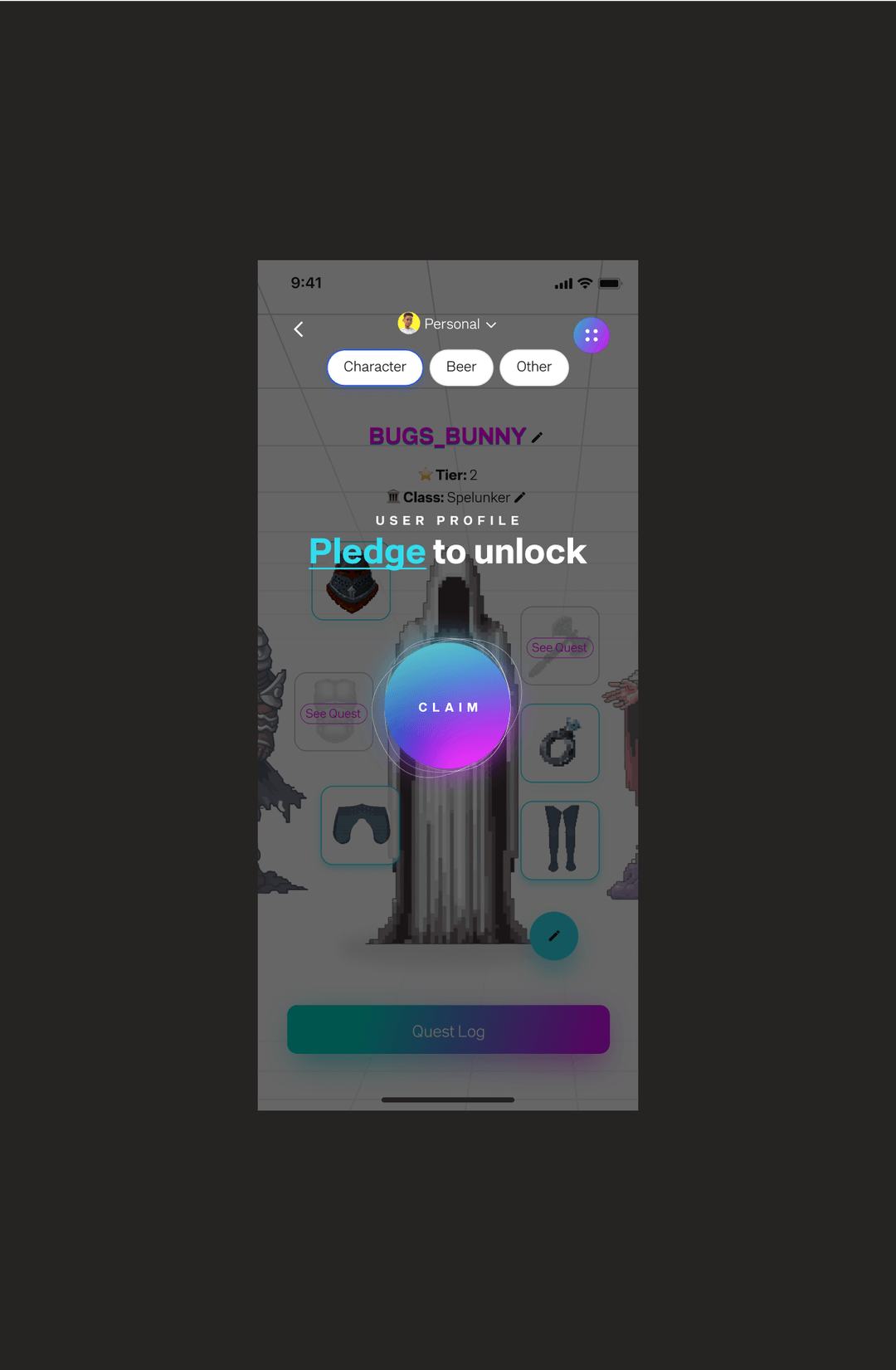
RPG elements familiar to every gamer
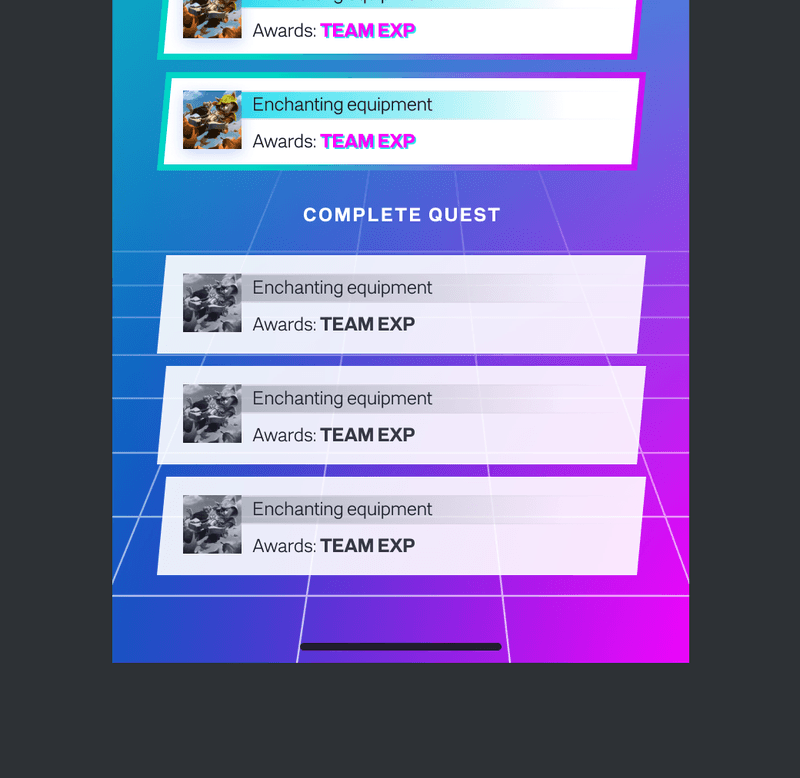
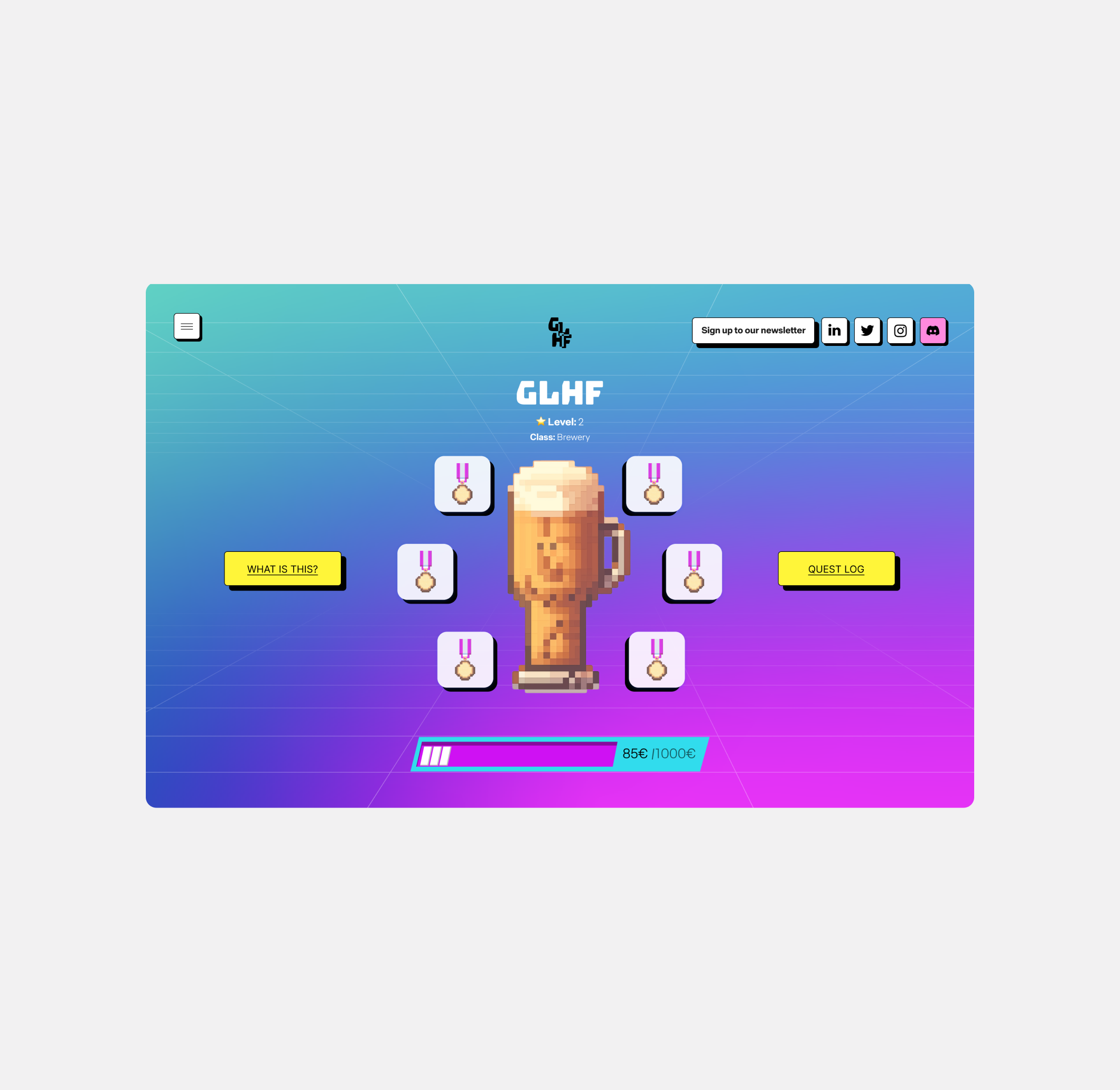
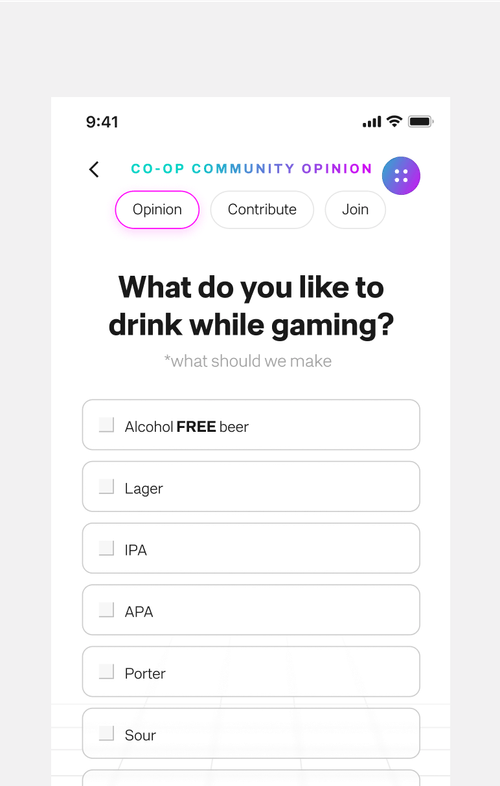
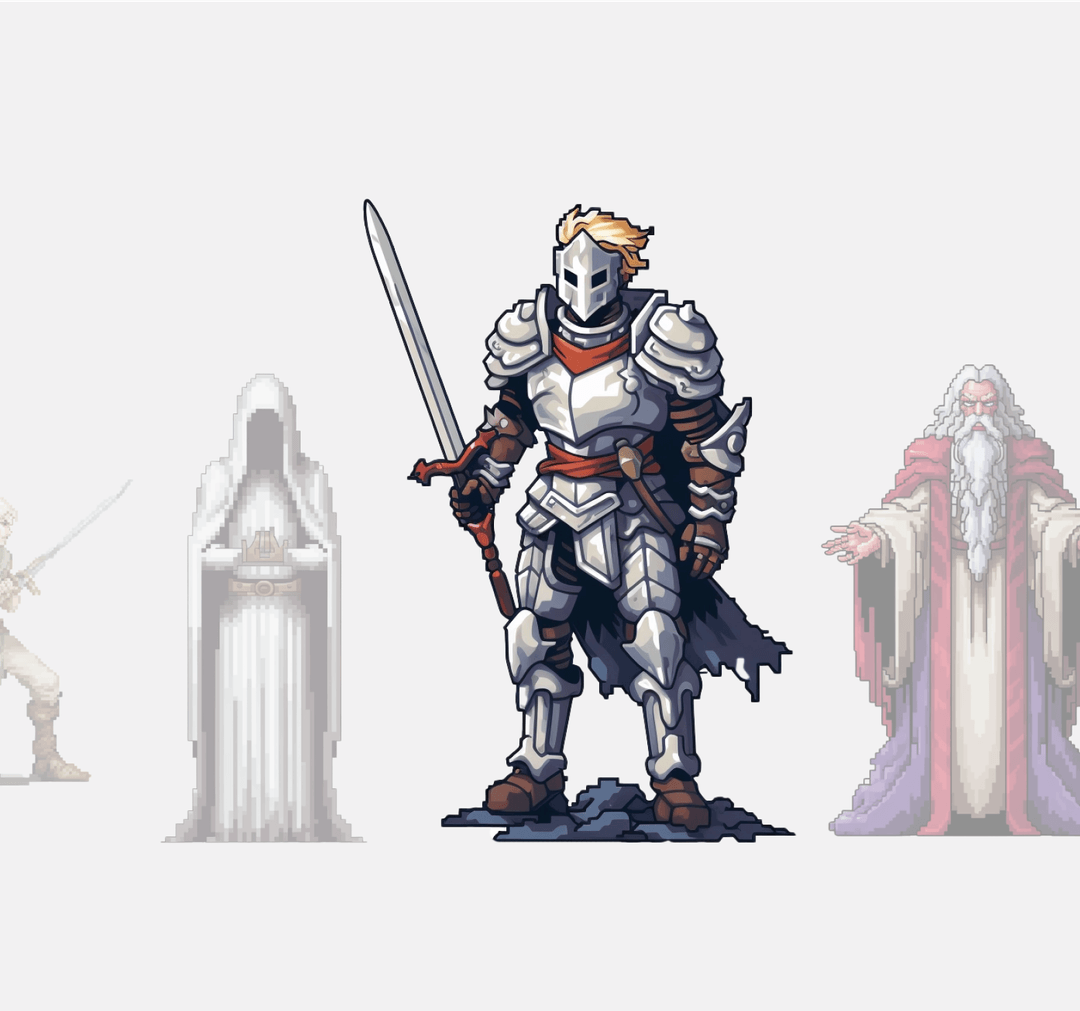
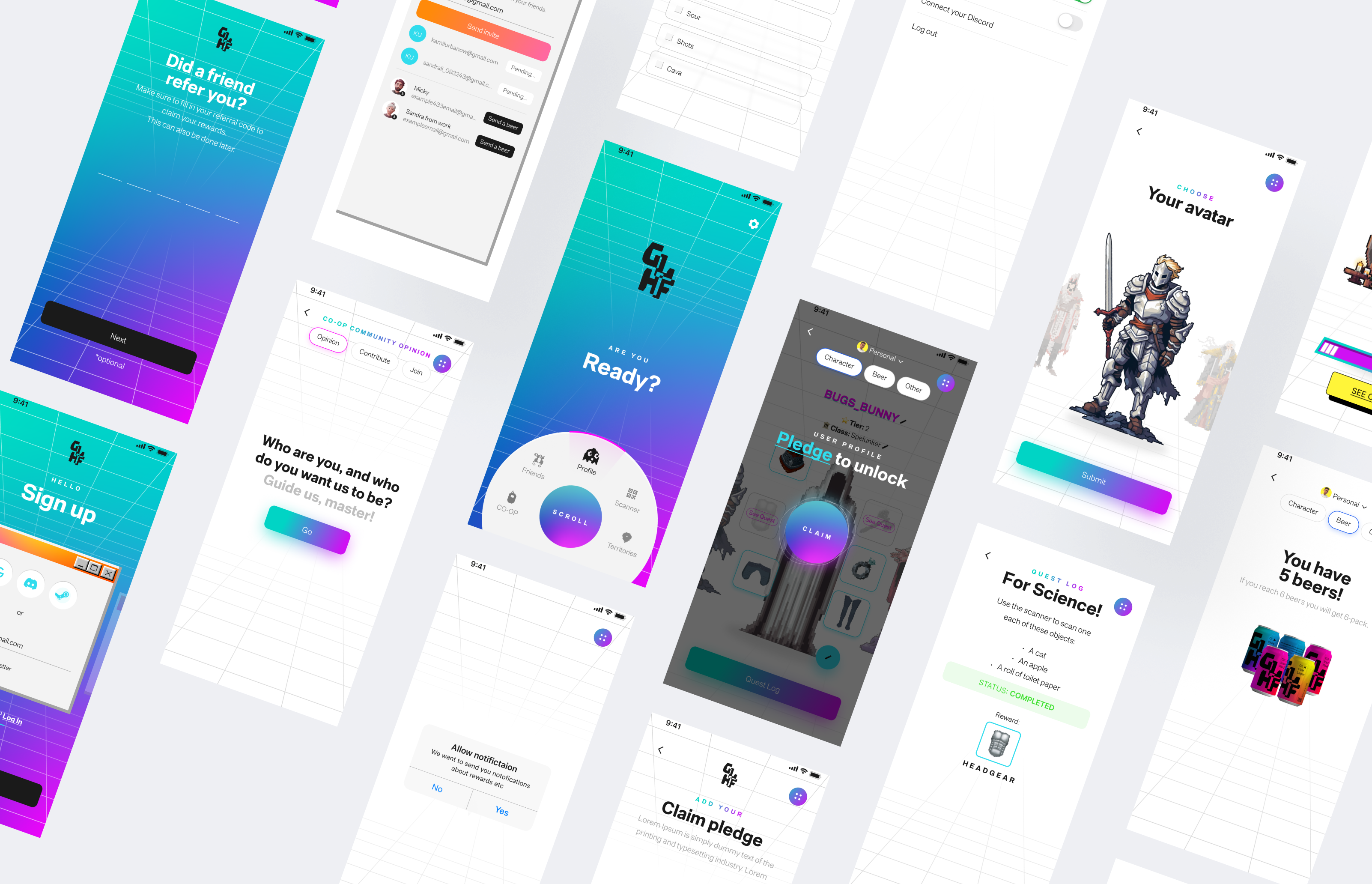
Each user can customize their experience by creating a virtual avatar, finishing dedicated quests, and gathering rewards. All are available in the app.
Building a custom AI solution
A cornerstone of the GLHF's gamification strategy is advanced image recognition, which powers the interactive quests. To maximize performance and flexibility, we delivered a versatile architectural approach. Depending on the specific business requirements and use cases, we deployed a mix of fully custom AI models and leading third-party integrations, including Google Vision API and Niantic 8th Wall.
Integrating Medusa for ecommerce
To power the sales infrastructure, we integrated and customized Medusa . This strategic choice enabled us to deliver a seamless, fully synchronized ecommerce capability across both the web platform and mobile applications.
Rewards system
The solution features a dedicated administrative module that simplifies quest management. Operators can easily configure quest parameters and manage the associated digital reward logic, ensuring a dynamic and rewarding experience for the user.
Unique Retro UI
We designed a retro-themed UI that bridges the gap between eras—combining the visual nostalgia of classic gaming with the seamless performance of modern technology.
Custom and native patterns combined
Our design strategy synthesized bespoke graphic elements with native navigation patterns. This approach delivered a user experience that is visually distinctive and immersive, yet remains intuitively familiar to navigate.

To deliver a scalable solution for GLHF, we synergized the power of TypeScript with the flexibility of React Native, React, and Node.js, and powerful AI solutions. This strategic combination allowed us to build a resilient ecosystem capable of growing alongside the brand.

TypeScript


React

React Native

Node.js

Prisma

Medusa

AWS
The project is built on a unified TypeScript architecture, ensuring efficiency and scalability:
Mobile: Cross-platform iOS and Android apps powered by React Native.
Web: Ecommerce platform and administration panel built with React and Medusa.
Backend: Scalable server-side logic developed in Node.js.
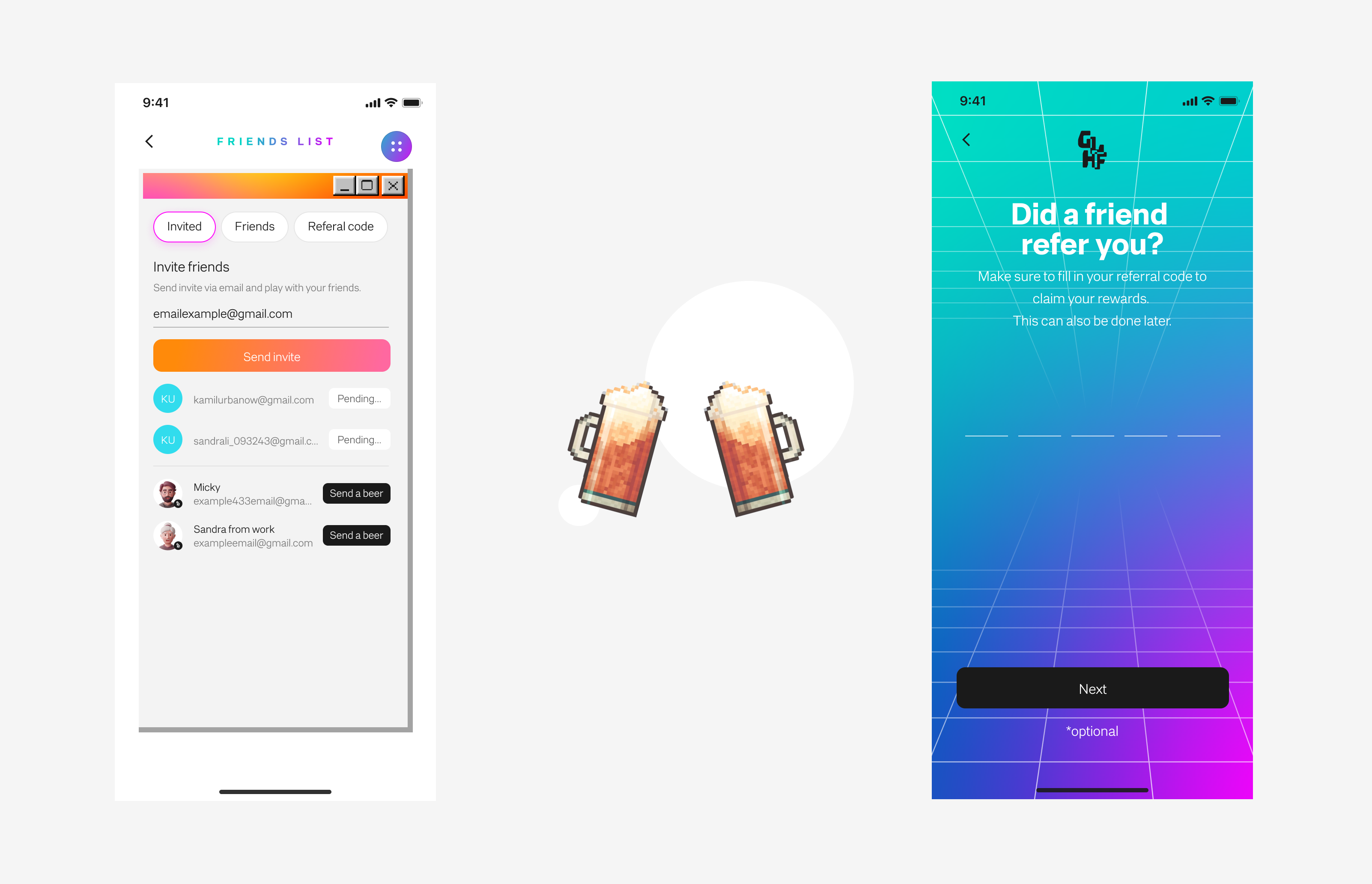
The GLHF mobile applications and web platforms deliver a comprehensive suite of features designed to gamify the user journey. From RPG-inspired profiles and clan systems to daily quests and community challenges, the platform fosters deep engagement.
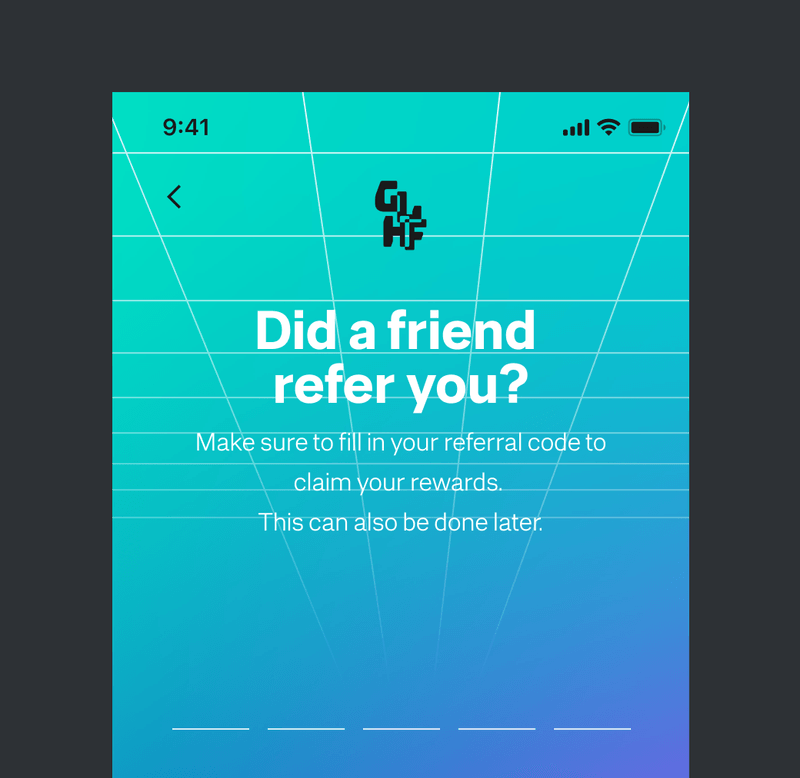
Furthermore, we prioritized personalization, empowering users to customize their interface themes, avatars, and digital inventories.

Lexogrine: your Delivery Partner
Let’s bring your idea to life - with full-cycle design and development under one roof.