
Mobile Development Articles
Explore insights, tutorials, and updates from the Lexogrine team on AI, software development, and technology trends.
iPhone vs Android Users: What Are the Main Differences?
iPhone and Android users differ in more than device preference. Geography, income, app spending, privacy expectations, engagement, and ecosystem habits all affect mobile product strategy. This article explains what those differences mean for startups, product teams, and app owners choosing between iOS-first, Android-first, or cross-platform development, and how platform choice impacts UX, monetization, QA, release planning, and long-term growth.
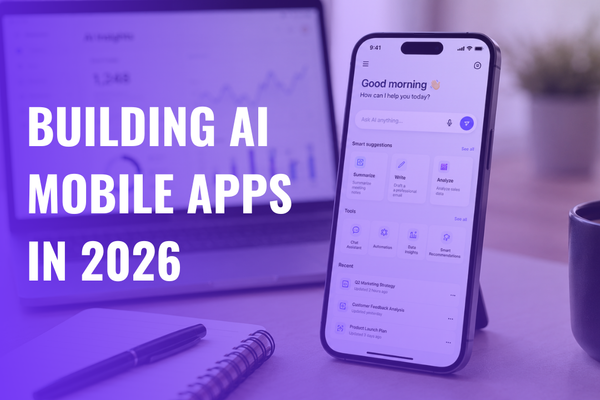
Building AI Mobile Apps in 2026: Trends and Product Strategy
AI mobile apps in 2026 are no longer just cloud wrappers. Product teams increasingly combine on-device AI for privacy, speed, and offline access with cloud models for deeper reasoning and fresh data. This article explains the key mobile AI trends, hybrid architecture decisions, UX patterns, App Store compliance risks, and product strategy choices founders should consider before building an AI-powered mobile app.

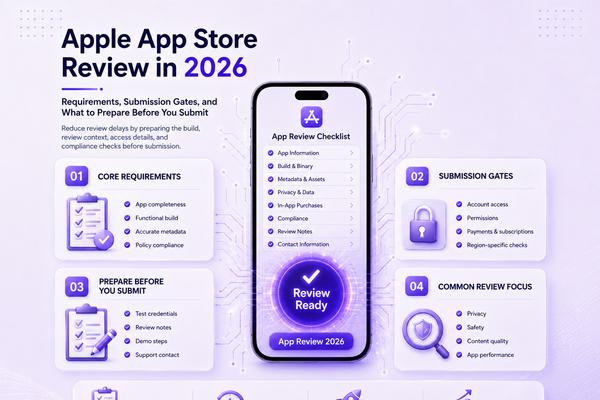
Apple App Store Review in 2026: Requirements, Submission Gates, and What to Prepare Before You Submit
A practical guide to Apple App Store Review in 2026, covering recent guideline updates, App Store Connect submission gates, review notes, demo access, privacy disclosures, purchases, moderation tools, and checklist items to prepare before submitting your app.
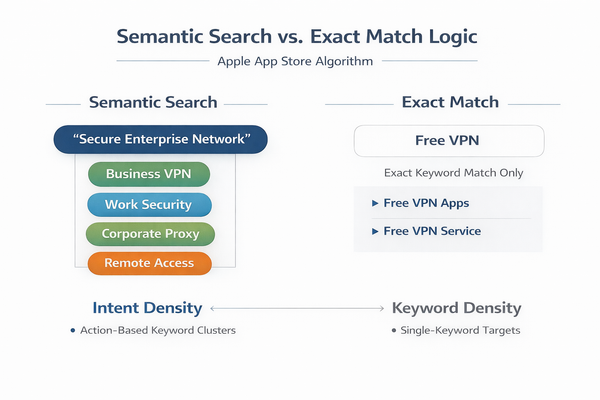
App Store Keywords Optimization: the best practices for iOS Apps in 2026
App Store Keywords Optimization in 2026 is the technical engineering of app metadata to align with semantic search algorithms and AI discovery agents. It moves beyond legacy keyword stuffing to prioritize intent clusters, requiring developers to treat metadata updates as code pushes rather than marketing tasks. This ensures visibility for high-intent queries where users - and autonomous agents - seek specific functionalities to solve defined problems.