
AI Agents Articles
Explore insights, tutorials, and updates from the Lexogrine team on AI, software development, and technology trends.
Latest Trends in Software Development: What to Watch in 2026
Software development in 2026 is shaped by more than AI. This article explains the trends CTOs, founders, and product teams should watch: AI-assisted engineering, business agents, platform engineering, selective cloud architecture, secure delivery, modular monoliths, observability, cross-platform mobile, and data architecture for AI products. Learn how to separate real adoption signals from hype and choose trends that improve delivery, cost, security, and maintainability.
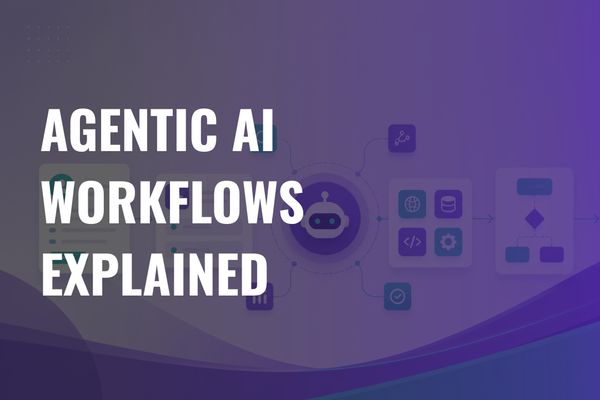
Agentic AI Workflows Explained: Architecture, Use Cases, and Implementation Steps
Agentic AI workflows move AI from simple chat responses to controlled, multi-step business processes. This article explains how they work, what architecture they need, where they create value, and how teams can implement them safely with tools, APIs, memory, approvals, observability, and human-in-the-loop controls.


Lexogrine is now an AI-Ready Website with WebMCP Tools powered by Conscriba
Lexogrine is now an AI-ready website powered by Conscriba, exposing WebMCP tools that help AI agents understand services, navigate key pages, and support agent-driven discovery. Learn what WebMCP optimization means, how AI-ready websites work, and why structured tools may become important for companies preparing for the agentic web.

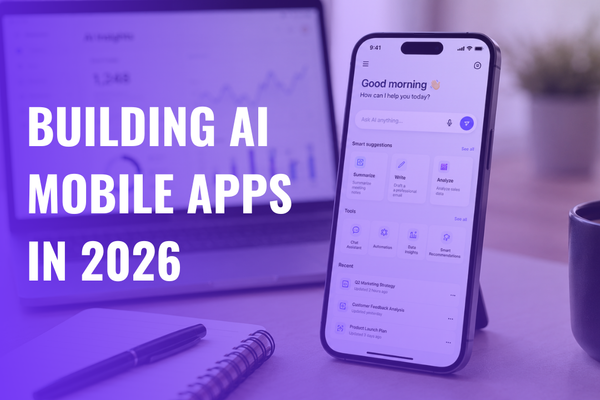
Building AI Mobile Apps in 2026: Trends and Product Strategy
AI mobile apps in 2026 are no longer just cloud wrappers. Product teams increasingly combine on-device AI for privacy, speed, and offline access with cloud models for deeper reasoning and fresh data. This article explains the key mobile AI trends, hybrid architecture decisions, UX patterns, App Store compliance risks, and product strategy choices founders should consider before building an AI-powered mobile app.
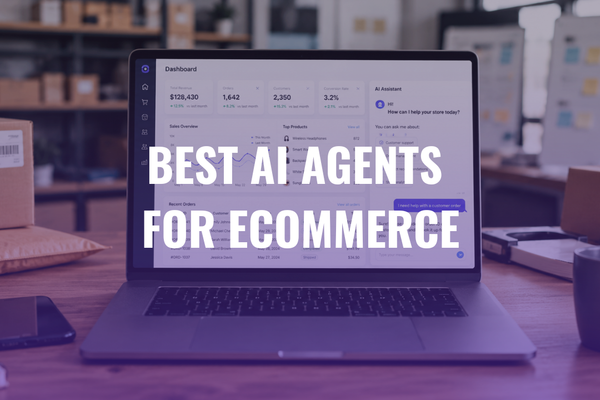
Best AI Agent for Ecommerce in 2026
Choosing an AI agent for ecommerce in 2026 is harder than ever. This guide explains what an ecommerce AI agent is, where it can safely pull order and policy context, and where humans must approve actions like refunds or account changes. We compare five popular tools, including Intercom Fin, Zendesk AI, Gorgias AI Agent, Salesforce Agentforce, and Klaviyo K:AI, with pricing models, review themes, and security notes, then outline when a custom agent built with Lexogrine makes more sense.
Always On Memory Agent: what Google’s Memory Agent actually does
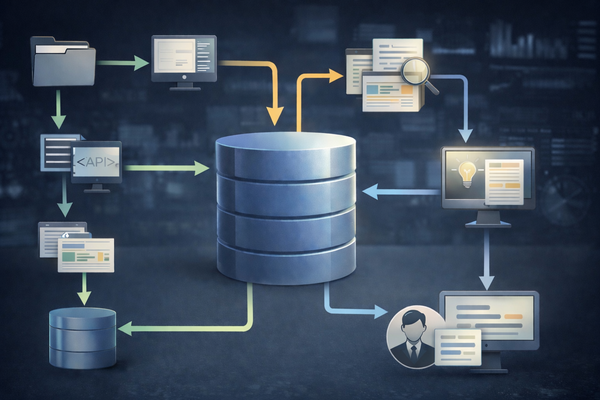
Always On Memory Agent is Google’s sample for building long-term memory into AI agents. This article explains how it works, including ingestion, structured memory storage in SQLite, consolidation, and query-time retrieval. It also shows the project’s limits, how it compares with managed memory services, and when it fits as a demo, starter pattern, or foundation for a production AI memory system.

AI Voice Agent for Real Estate (2026): 5 popular, highly rated solutions
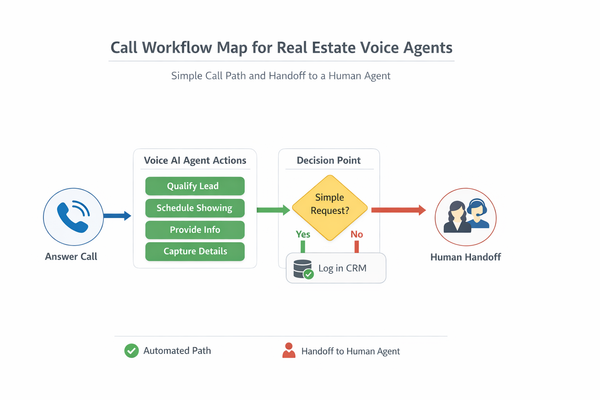
In 2026, real estate teams use voice agents to answer listing calls, recover missed leads, qualify buyers and renters, and book showings fast. This guide analyzes 5 popular, highly rated options (CallRail Voice Assist, Smith.ai AI Receptionist, Five9, Genesys Cloud CX, Amazon Connect), compares pricing styles and trade-offs, and shares a build vs buy path plus a practical evaluation checklist.
AI Agent Adoption Statistics in 2026
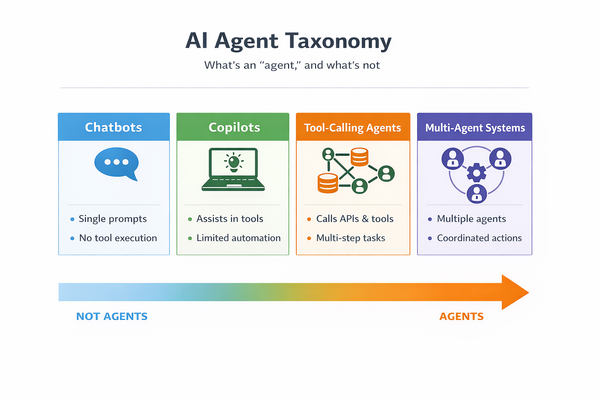
AI agent adoption statistics in 2026: the compilation of the most citable public signals on how companies deploy tool-calling, multi-step AI agents. It compares measured platform telemetry with self-reported surveys, separates pilots from production, and explains what each metric really measures. Useful for planning budgets, security controls, and build vs buy decisions.
Best AI Agent for Healthcare in 2026
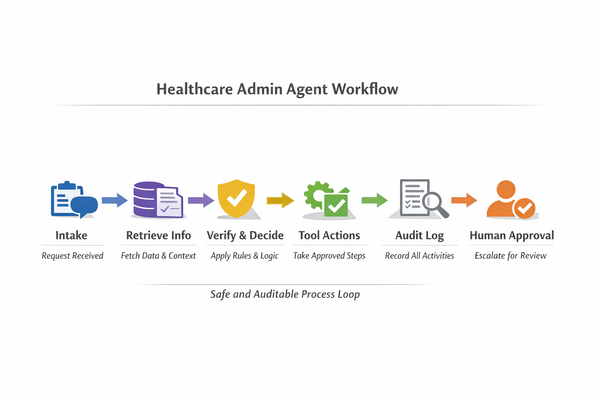
Lexogrine builds healthcare-focused software, so we analyzed the 2026 AI agent market for medical orgs. This guide defines safe, clinical-adjacent agents, maps the workflows where they win, and shortlists five top tools (Microsoft, Salesforce, ServiceNow, Zendesk, Google). It also includes a build vs buy guide and a practical evaluation plan that can be completed in weeks, not quarters.