
AI Articles - Page 2
Explore insights, tutorials, and updates from the Lexogrine team on AI, software development, and technology trends.

Best AI Agent for Ecommerce in 2026
Choosing an AI agent for ecommerce in 2026 is harder than ever. This guide explains what an ecommerce AI agent is, where it can safely pull order and policy context, and where humans must approve actions like refunds or account changes. We compare five popular tools, including Intercom Fin, Zendesk AI, Gorgias AI Agent, Salesforce Agentforce, and Klaviyo K:AI, with pricing models, review themes, and security notes, then outline when a custom agent built with Lexogrine makes more sense.

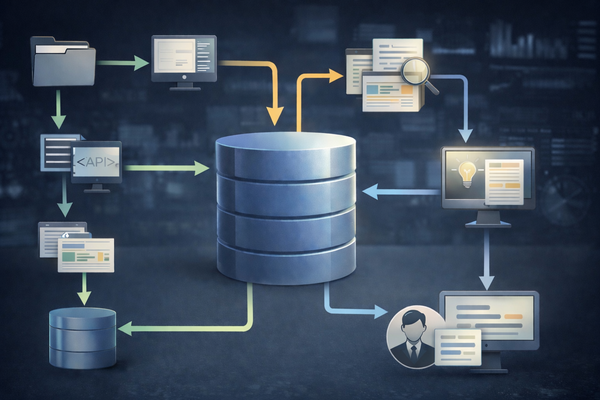
Always On Memory Agent: what Google’s Memory Agent actually does
Always On Memory Agent is Google’s sample for building long-term memory into AI agents. This article explains how it works, including ingestion, structured memory storage in SQLite, consolidation, and query-time retrieval. It also shows the project’s limits, how it compares with managed memory services, and when it fits as a demo, starter pattern, or foundation for a production AI memory system.

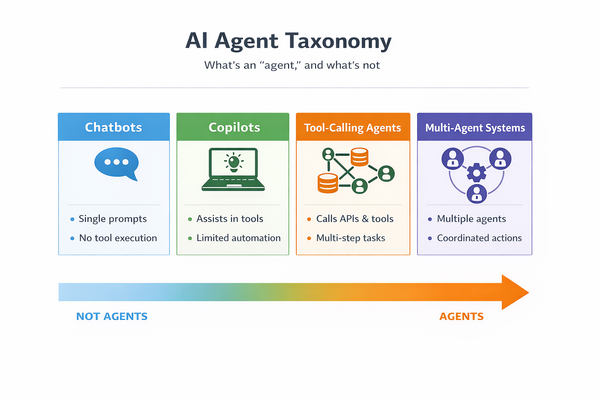
AI Agent Adoption Statistics in 2026
AI agent adoption statistics in 2026: the compilation of the most citable public signals on how companies deploy tool-calling, multi-step AI agents. It compares measured platform telemetry with self-reported surveys, separates pilots from production, and explains what each metric really measures. Useful for planning budgets, security controls, and build vs buy decisions.
OpenAI Swarm Multi-Agent Framework in 2026: What It Is, How It Works, and How to Use It
OpenAI Swarm is a minimalist multi-agent framework built around explicit handoffs between specialized tool-calling agents. This article explains Swarm’s core mental model, when it fits (and when it doesn’t), how to get started fast, and the production patterns that matter in 2026: tool boundaries, approval gates, evals, and an upgrade path to the OpenAI Agents SDK.
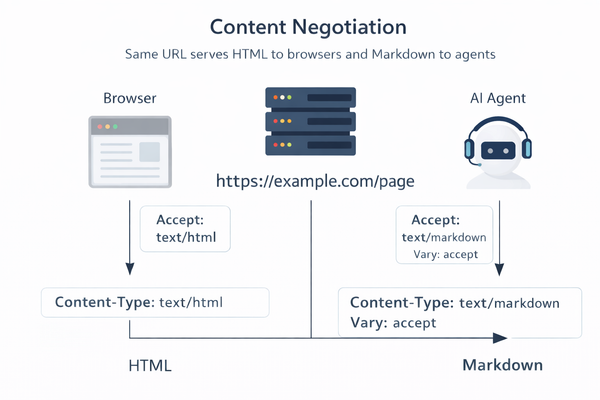
Markdown for Agents: How to Make Content AI-Readable Without Breaking the Web
Cloudflare’s Markdown for Agents lets AI agents request a clean Markdown version of any HTML page via HTTP content negotiation (Accept: text/markdown). This post shows why agents struggle with modern sites, how edge conversion cuts token waste, and how to roll it out on docs, pricing, changelogs, and API pages without changing the human UX.
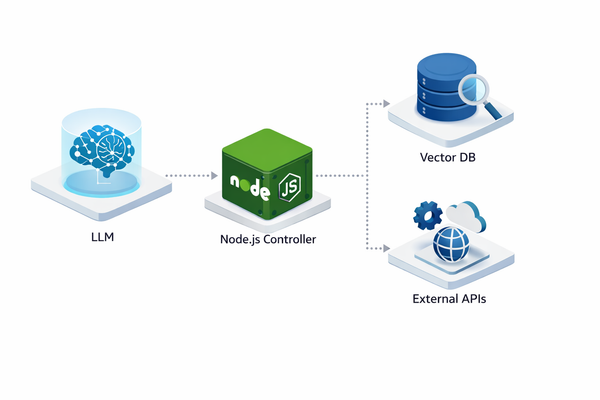
How to build AI Agent in 2026
Move beyond simple chatbots to autonomous systems. This technical guide defines the 2026 standards for AI Agent development, analyzing frameworks like LangGraph, CrewAI, and n8n. Learn to architect self-correcting workflows, integrate Node.js backends, and implement strict governance for production-ready agents.